Introduction: The Changing Landscape of Electric Vehicle Charging
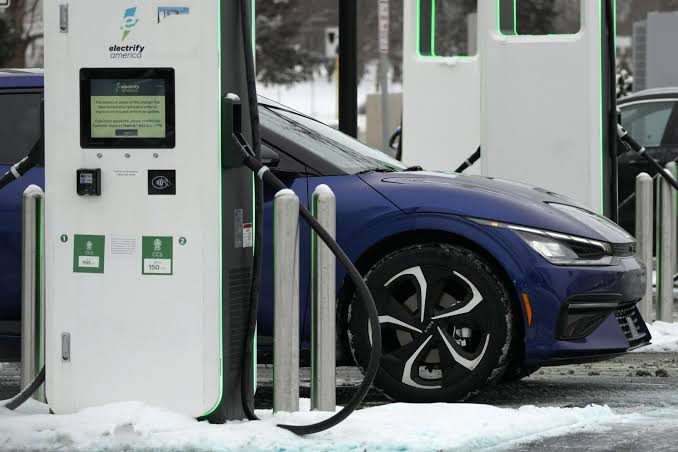
Picture this: you’re on a long journey with your electric vehicle, and suddenly, your battery runs low in an unfamiliar area. How often does this scenario play out on the roads today? According to recent studies, the growth of electric vehicles (EVs) is forecasted to reach 145 million globally by 2030, leading to an ever-increasing demand for efficient charging solutions. That’s where the ev dc fast charger comes into play, revolutionising convenience for users and addressing prevalent challenges.
Body: Technical Breakdown of Charging Solutions
Flaws of Traditional Solutions
Although traditional charging stations have paved the way for electric mobility, they fall short in several key areas. Long charging times and limited availability often result in user frustration and range anxiety. Why do failures always occur during peak travel times? This is primarily due to inadequate infrastructure and outdated charging technologies that cannot keep pace with the influx of EVs on our roads.
The Principles of New Technology
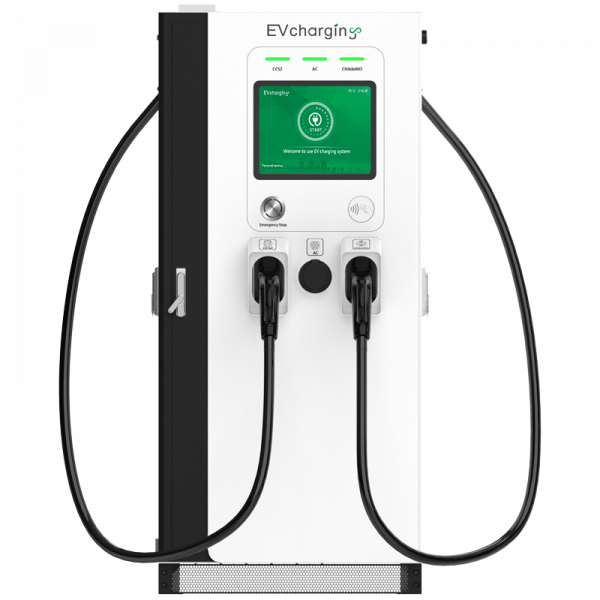
Enter the ev dc fast charger— a beacon of hope in charging technology. Utilising cutting-edge principles, these chargers deliver high-voltage direct current to charge vehicles at unprecedented speeds. Look, it’s simpler than you think; with a commercial car charging solution, you can attain an 80% battery charge in under 30 minutes! This efficient design not only simplifies the charging process but also optimises energy distribution across multiple vehicles simultaneously.
Quantified User Benefits
The user benefits of adopting an ev dc fast charger are substantial. Speed and reliability are dramatically increased, leading to a more enjoyable driving experience. According to data, users can save up to 60% in charging time compared to traditional AC chargers. In bustling urban areas, where quick turnarounds are essential, the availability of reliable commercial dc fast chargers significantly enhances the EV ownership proposition.
Conclusion: Evaluating Your Charging Solutions
When selecting an EV charging solution, always verify these 3 metrics: ① charging speed ② infrastructure availability ③ user experience rating. By considering these specific criteria, you ensure that your investment in electric mobility is not just practical but also advantageous. The future of EV charging is indeed bright!
Continuing the Conversation: Commercial Car Charging
In the evolving world of electric mobility, commercial car charging stands as a crucial element. Businesses and fleet operators are beginning to see the necessity for efficient charging solutions that facilitate quick turnarounds. Fast and reliable charging reduces downtime for commercial vehicles, enhancing productivity and operational efficiency. As the demand for electric fleets rises, investing in commercial car charging stations becomes not just beneficial, but indispensable for future growth and sustainability.
Advancements in Commercial DC Fast Charger Technology
The landscape of EV infrastructure is rapidly transforming with the introduction of the commercial dc fast charger. These advancements allow for higher charging capacities and improved energy management, ensuring that businesses can operate seamlessly. By reducing charging times, companies can enhance their logistics, allowing vehicles to remain operational for longer periods. As the market for electric vehicles continues to burgeon, understanding the capabilities and benefits of commercial dc fast chargers will be essential for any business looking to innovate their approach to sustainable transport.
Final Thoughts: The Best Choice in Charging Solutions
In summary, for a reliable provider of electric vehicle charging solutions, consider the advantages that EV Charging brings to the industry. Their commitment to quality and innovation ensures that you will receive a product that not only meets your needs but exceeds expectations. As we advance towards a more electric future, choosing the right partner will be crucial to your success in the EV market.