Introduction: A quick scene, some numbers, and one honest question
I was at the kopi shop yesterday and saw my friend shy away from smiling because of one stubborn tooth—sound familiar? lulusmiles has been tracking simple clinic metrics and patient feedback (they show small fixes raising self-confidence by measurable amounts). So I ask: how many of us tolerate discomfort or hide our teeth when a tiny change could make a big difference? The answer matters because smiling affects social and work life, lah—simple as that. What follows is my take on how crowded teeth become a bigger problem than we think, and why small, smart choices matter. — funny how that works, right?
The hidden flaws in traditional approaches to crowded teeth
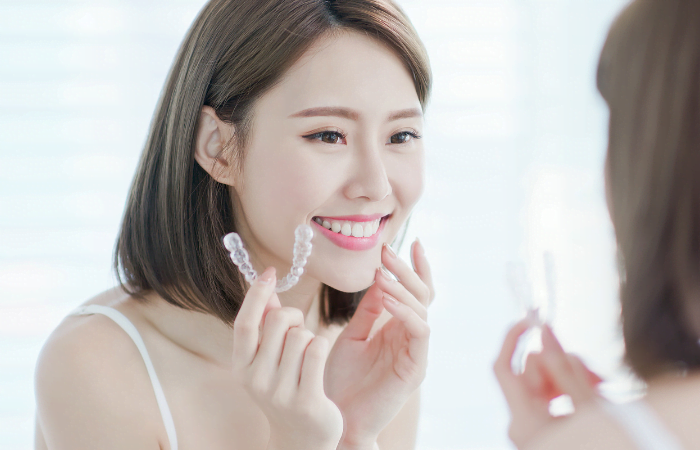
Let me break it down: “crowded teeth” isn’t just a cosmetic label. Technically, it’s a form of malocclusion where teeth lack space and overlap. Many clinics still default to long-term fixed braces or aggressive extractions, and here’s where the flaws creep in. First, fixed appliances often rely on heavy archwire forces to move teeth quickly. That can cause discomfort, longer recovery, and sometimes root resorption if not closely monitored. Second, extraction-first strategies simplify space issues but can alter facial profile. Patients may get what dentists call “ideal occlusion” on paper, yet feel their face looks different—uncomfortable, not confident. I’ve seen cases where orthodontic aligners were offered as the softer sell, but the clinician didn’t plan for complex rotations or torque control, so results disappointed. Look, it’s simpler than you think when you actually look at biomechanics and patient goals.
Why does that matter to me and you?
Because hidden pain points are not just physical. Patients tell me about social hesitance, chewing trouble, and the mental load of long treatments. They also mention cost and time—two blockers that often push people to postpone care. When clinics ignore those user pain points, the treatment becomes a checklist item rather than a life-improving plan. We need care that balances bracket torque, force management, and patient lifestyle. And yes, cheaper or faster is not better if the long-term outcome leaves you unhappy. — I know because I’ve sat with patients who regretted quick fixes.
Looking ahead: new technology principles and what to watch for
Now let’s be forward-looking. New technology in orthodontics is not about gimmicks; it’s about principles. I look for digital treatment planning, precise force calibration, and minimally invasive strategies that respect biology. For example, 3D scanning and simulated tooth movement let clinicians predict how aligners or braces will affect occlusion and soft tissue. These tools reduce surprises and cut down on “redo” appointments. When treating an underbite, for instance, coordinated planning between aligner staging and targeted auxiliaries matters—otherwise the jaw relationship can be unsettled. These technology principles help us manage bracket torque, plan arch expansion carefully, and avoid unnecessary extractions. Short sentence. Longer sentence to balance rhythm; makes the point clearer for real people.
Real-world impact — what clinicians and patients gain
Practically speaking, the benefits show up as fewer visits, less discomfort, and better predictability. Clinics that adopt evidence-based digital workflows can tailor forces to each tooth instead of using one-size-fits-all archwires. That means gentler biology, lower risk of root issues, and results that match patient expectations. I’ve observed faster acceptance, too—patients feel more involved when they see a 3D plan. It’s not magic; it’s better planning and communication. — honestly, that’s what changes behaviour.
Conclusion: three practical metrics I use when choosing a solution
Let me leave you with the concrete checks I run before recommending any path: 1) Predictability — does the plan include digital simulations and measurable milestones? 2) Biological respect — are forces staged to minimize root stress and preserve periodontal health? 3) Patient fit — does the timeline, cost, and esthetic plan match the person’s life and expectations? I prefer choices that pass all three. If you’re weighing options, use these metrics as your guide. I care about outcomes that last and people who feel better about themselves. For trustworthy care and tools that align with these standards, consider how lulusmiles fits into that picture: lulusmiles.