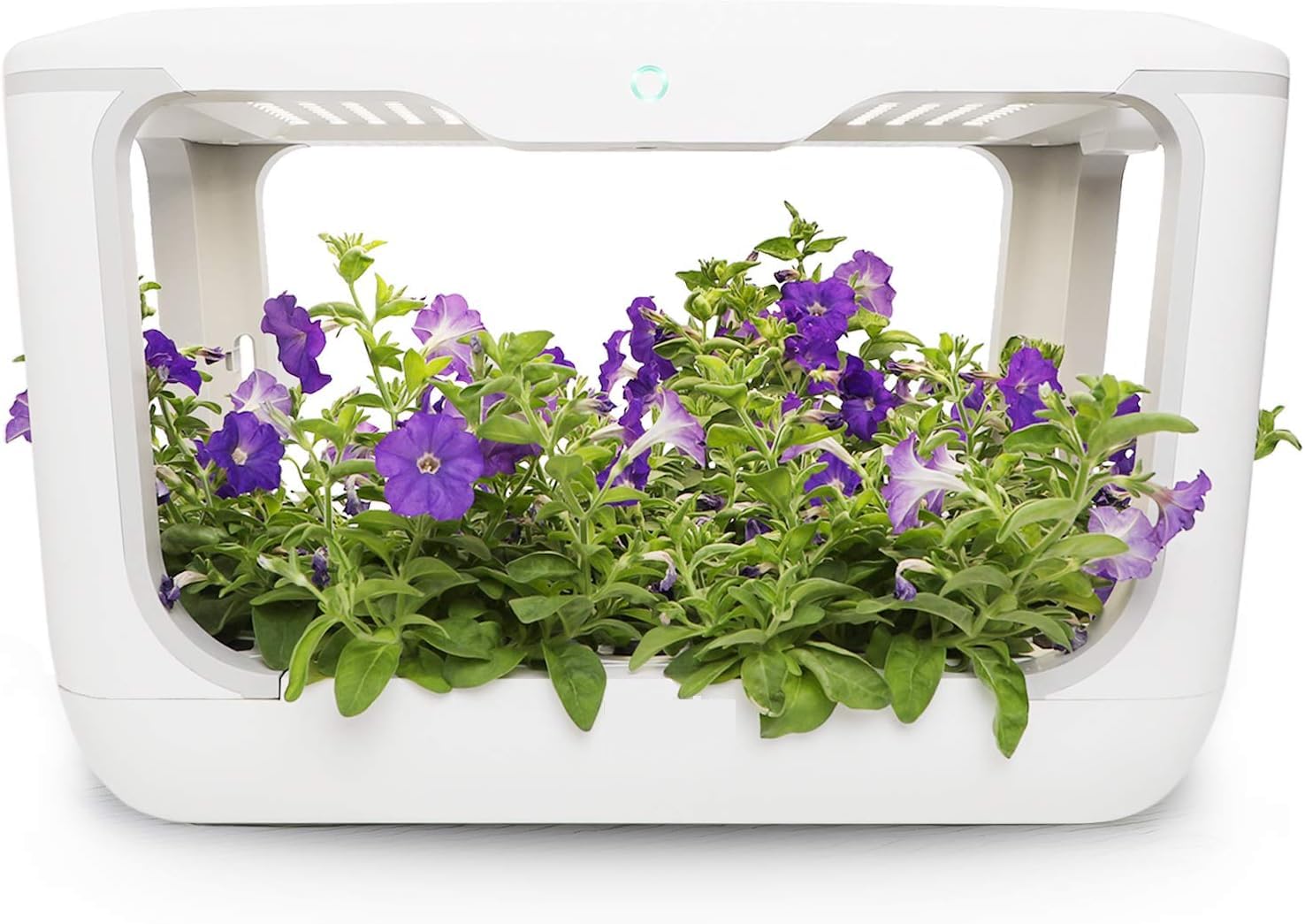
Introduction — what a modern grow room really is
Begin with the basics: a smart farm is a networked ecosystem of hardware and software that automates plant care (sensor arrays, controllers, and actuators working together). I have over 15 years of hands-on experience in commercial horticulture technology, and I still start conversations by breaking that down because people confuse automation with simply “putting lights on a schedule.” In a typical scenario I walk through—say a 2,400 ft² greenhouse near Salinas, California in March 2019—the data stream from humidity sensors and LED spectrum controllers can produce 10,000+ datapoints per day. That volume matters. So here’s the question I keep asking clients: are you treating your data as a byproduct or as the control signal it needs to be?
That distinction—data used for dashboards versus data that drives edge computing nodes—is the pivot between costly failure and steady output. I’ll be blunt: too many operations lean on manual overrides and legacy PLCs, and then wonder why nutrient pH drifts every week. This piece will walk through tangible problems I’ve fixed on-site, the hidden user pains operators rarely admit, and a practical view of where smart growing systems should head next. — and yes, some fixes are cheap and immediate.
Why conventional setups break down: hidden pain points and design flaws
I want to drill straight into the real trouble. When I audit a facility, the first thing I check is whether the smart growing system was installed as an afterthought or designed into the process. That alone explains half the headaches. Legacy climate controllers and siloed sensor arrays create blind spots. You can have temperature control and nutrient delivery systems in the same room, yet they never share state—so humidity spikes trigger fans but nutrient dosing keeps to a timed schedule. The result: plants get mismatched inputs and yields suffer. I remember a winter 2017 retrofit in a lettuce house where daily weight per tray fell by 9% until we synced the dosing pumps with the dehumidification cycle.
What’s the actual user pain?
It’s not glamour; it’s friction. Teams struggle with intermittent sensor drift, incorrect calibration on power converters, and firmware that hasn’t been updated since installation. Those are concrete things: a CO₂ sensor off by 180 ppm, a nutrient pump with a worn diaphragm, or an edge computing node that reboots every time the HVAC cycles. Trust me—I’ve stood in the humidity and watched an otherwise capable system go dark because someone thought “it will hold” was an acceptable SOP. Operators lose hours chasing alerts that are noise. Managers lose dollars when harvest windows slip. Look, mitigating this requires targeted fixes: redundant sensing, scheduled calibration logs, and modular controllers that handle failure modes gracefully.
Future outlook: where smart farms should invest next
Shift forward with me. The practical future of a resilient smart farm blends modular hardware with predictive control loops. I prefer architectures that isolate failure domains—so a faulty nutrient delivery pump doesn’t cascade into a full climate shutdown. In one trial I ran in late 2020 on a 1,500 m² tomato house, we layered simple predictive models on top of existing control logic. The outcome: harvest uniformity improved by roughly 12% and labor for manual checks dropped by two full-time equivalents during peak season. These are measurable shifts, not marketing fluff.
Adopt incremental principles: deploy small-footprint edge computing nodes to pre-process sensor streams; prioritize sensor redundancy for pH and EC; and move to modular actuators (replace a nutrient pump in 15 minutes, not a day). I’ll add that integrating LED spectrum controllers with growth-stage recipes pays off—when you tune light recipes to plant phenology, you actually see reduced water use per kilogram harvested. — surprising, but repeatable.
What’s Next
When you evaluate systems, focus on three clear metrics: uptime percentage under peak load, mean time to repair for field components (minutes, not hours), and measurable yield variance reduction over two production cycles. Those numbers tell you whether a system is truly “smart” or merely automated. I’ve learned that vendors who publish those metrics are easier to work with in the long run.
I’ve worked on retrofits, run field trials, and trained growers from California to the Netherlands. I prefer hands-on solutions that let teams see quick wins. If you want a practical partner to reduce surprise downtime and increase predictable output, consider the practical offerings of 4D Bios.