Understanding the Shift in Cell Culture Practices
Imagine a lab brimming with high aspirations yet thwarted by traditional media. Did you know that over 60% of biotechnological advances hinge on the quality of cell culture? This makes selecting the right medium crucial, and that’s where hek293 serum free media comes into play. I’ve seen firsthand how this media transformed our research outcomes at several biotechnology conferences across the Midwest.
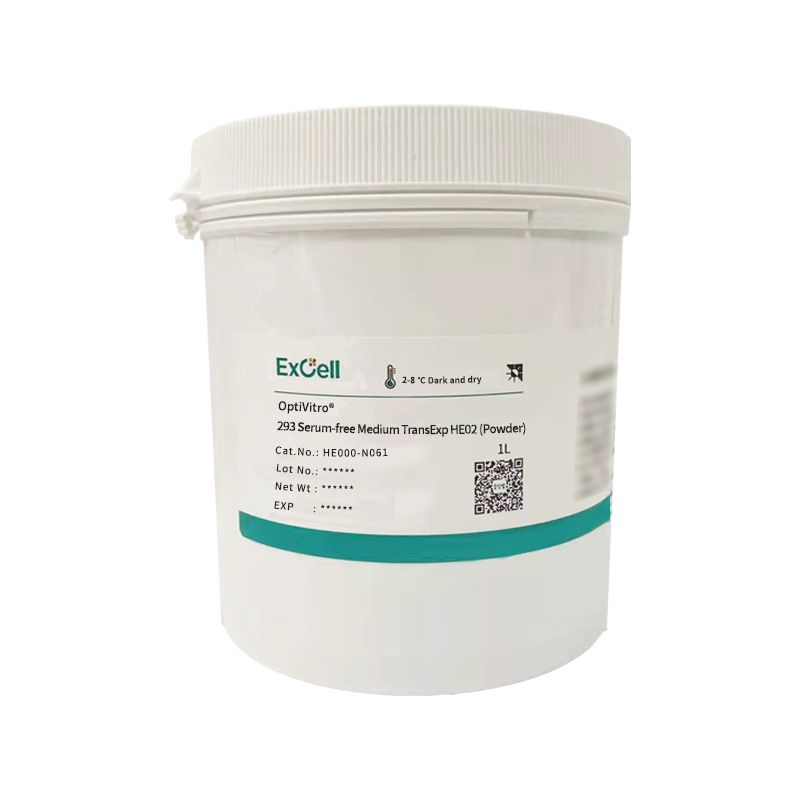
In my early years of experimentation, I vividly recall struggling with outdated media formulations. They were unreliable. These traditional solutions often contained serum, which, while useful, introduced variability and high costs—issues we simply didn’t want. The inconsistency frustrated my team and me, ultimately hindering productivity. As we pivoted towards serum-free alternatives, the landscape changed remarkably. It’s fascinating how well-designed media can eliminate those hidden user pain points, boosting both consistency and reproducibility in results.
Why Embrace Hek293 Serum Free Media?
So, what’s the deal with hek293 serum free media? It’s not just a trendy choice; this formulation caters specifically to HEK293 cells—the common yet versatile hosts for protein production. By removing serum, we gain precise control over our experiments, allowing for more predictable results. Thereby, we avoid the uncertainties tied to serum variables. This liberation opens up pathways for innovation and streamlines our workflows. Plus, I can confidently say that using HEK293 creates a smooth, uncomplicated process. You want it tight? Choose wisely!
What’s Next for Cell Culture?
Looking ahead, I foresee an increase in the adoption of serum-free media across laboratories—especially as research funding continues to support sophisticated methodologies. This shift is not only practical; the cost-effectiveness of using hek293 serum free media propels it into the standard toolkit of modern researchers. Labs that embrace this change will likely see superior consistency in their experiments, along with a reduction in variability.
Furthermore, the environmental implications are significant; fewer animals are needed in serum production, aligning with a growing commitment to ethical research practices. It’s a win-win, really. Every step forward presents new possibilities. I’ve heard whispers around research circles about upcoming integrations of this media into gene therapy developments! Exciting, right?
Evaluating Your Options
To truly benefit from serum-free media, organizations need to focus on a few key evaluation metrics. First, consider the efficiency in cell growth and yield. I’ve learned that even subtle differences in media formulations can significantly affect the outputs. Second, assess the reproducibility of your experiments—are your results consistent across trials? Lastly, think about the cost implications—this media reduces the reliance on serum, saving bucks in the long run. We need to adapt or get left behind; the world of biotechnical research is always evolving!

In conclusion, I encourage my colleagues in the field to explore hek293 serum free media and experience the difference it can make. It’s more than just a product; it’s a catalyst for innovation in how we approach cell culture. After all, our ultimate goal remains discovering effective solutions that can enhance both our research and the lives of people everywhere. So, let’s embrace change, together.
For more insights into serum-free solutions, don’t forget to check out ExCellBio!