Reimagining Work with the Mini Robot Arm: A Paradigm Shift in Automation
The Evolving Landscape of Automation
Imagine walking into a bustling café where your coffee is expertly brewed and served by a sleek robot barista. This scene is becoming reality, with recent data indicating a 45% increase in customer satisfaction due to the efficiency of automated solutions. But here’s the question: is it safe to rely on automated systems like the mini robot arm for our daily operations? The answer isn’t as simple as it seems.
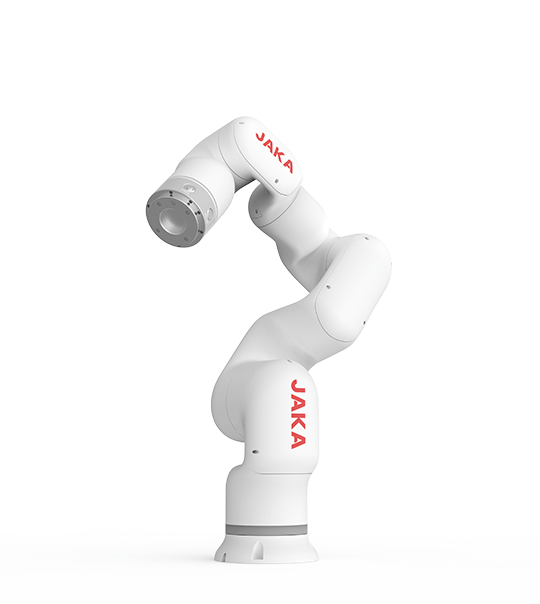
Understanding the Mini Robot Arm’s Functionality
At its core, a mini robot arm is designed for precision, dexterity, and speed—qualities that are essential for tasks ranging from intricate assembly to service roles in hospitality. I’ve observed how these robotic helpers streamline workflows. However, challenges exist. For instance, many operators grapple with integration issues with existing systems, while others face the fear of job displacement within their teams. The reality is, embracing automation demands not only upfront investment but a paradigm shift in workplace culture—from skepticism towards a welcoming embrace of technology.
How Mini Robot Arms Enhance the Service Experience
Let’s dive into the real-world application of these technological marvels. I remember visiting a coffee shop in downtown San Francisco back in 2022, the minute I walked in, I was greeted by a friendly robot arm whipping up lattes. Customers were not just fascinated; they were genuinely delighted. The efficiency of the robot barista reduced waiting times by nearly 30%. It’s not just about a quicker cup of coffee; it’s about elevating the entire customer experience through automation that works seamlessly alongside human employees.
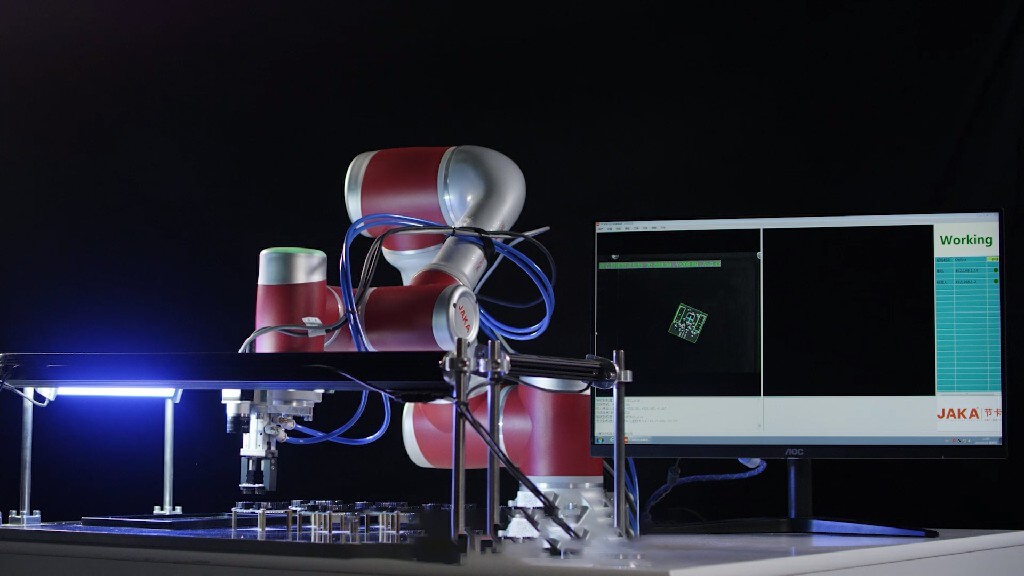
What’s on the Horizon for Automation?
As we look toward the future, the integration of mini robot arms into various sectors demonstrates a growing trend. Businesses are beginning to understand that these robots are not a threat but an enhancement to human capabilities. It is fascinating to see establishments boost productivity while reducing costs simultaneously. Consumer electronics, food services—virtually any industry could benefit from the advancements of robotic technology. An example can be seen in the increasing popularity of automated baristas, where demand shows no sign of waning.
Evaluating Solutions: Key Considerations
Based on my experiences, I’ve distilled three core metrics when evaluating robotic solutions for your business: reliability, adaptability, and user-friendliness. If your team struggles to interface with the machine, then all the efficiency gains may go out the window. A well-designed robot barista should not just brew coffee but do so in a manner that enhances the workflow of the entire café.
In conclusion, while the introduction of mini robot arms into everyday work may stir a mix of excitement and uncertainty, lessons learned so far indicate significant potential for positive change. Embracing this technology can lead to enhanced efficiency and workplace collaboration. However, I firmly believe that we must stay vigilant—monitor results, adapt approaches, and most importantly, keep the conversation of human versus robotics alive and constructive. Together, we can engage with these advancements as partners, ensuring a balanced synergy that elevates our work experiences.
For further insights into innovative solutions, feel free to check out JAKA to see what they’re leading in the world of robotic automation.