Introduction — a short scene, some numbers, and a question
I was on the factory floor last month, watching rolls of nonwoven fabric glide past like they owned the place — steady, noisy, a bit dramatic. In that shift we ran 10,000 wipes an hour on one line; the wet wipes production line handled the load, but small jams cost us minutes each cycle (and minutes add up). So I asked myself: how do we make the line less temperamental and more predictable? I’ll be frank — I’ve seen enough PLC screens and temperamental servo motors to care. This piece is for operators, engineers, and managers who want practical fixes, not theory. Let’s move from what happened on that floor to what we can change next.
Where traditional solutions fall short
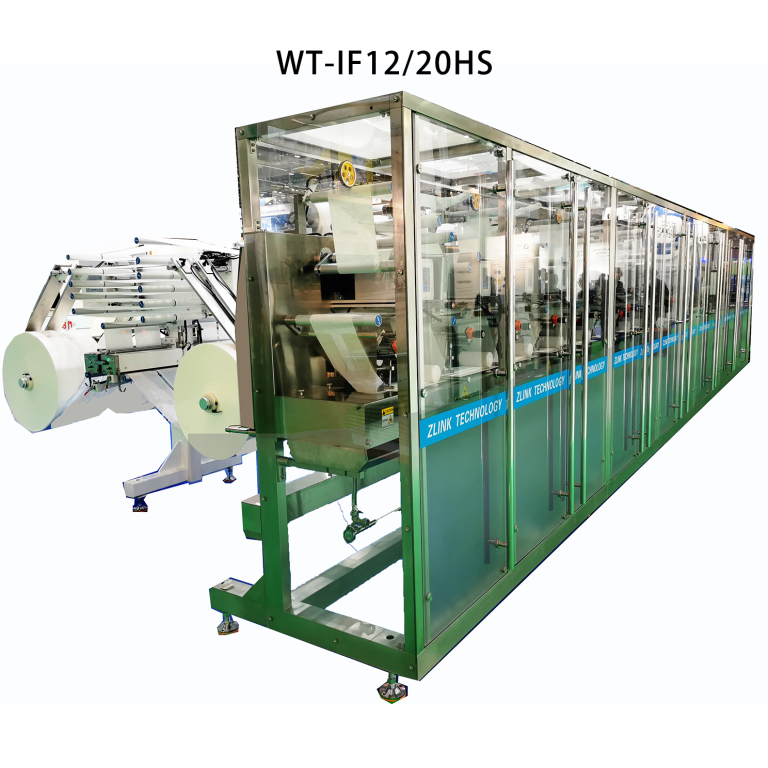
If you search for equipment fixes, you’ll find many quick tips. But the core problems tend to hide under the surface. For example, the wet wipe production line may look modern, yet common trouble spots remain: inconsistent wetting, web tracking drift, and edge fold errors. These show up as scrapped packs and wasted solvent. Look, it’s simpler than you think — the band-aid fixes rarely address root causes. I want to point out three recurring faults. First, control logic: cheap PLC programs with poor interlocks can let a feeder keep running during a fault, causing a mess. Second, mechanical tolerance: weak tension control on the slitter-rewinder or faulty air knives create uneven sheets. Third, wet-end variability: inconsistent bath dosing or poor inline mixing creates patches of dry wipes. These are not exotic failures; they are industrial and predictable. — Funny how that works, right?
Why do these flaws persist?
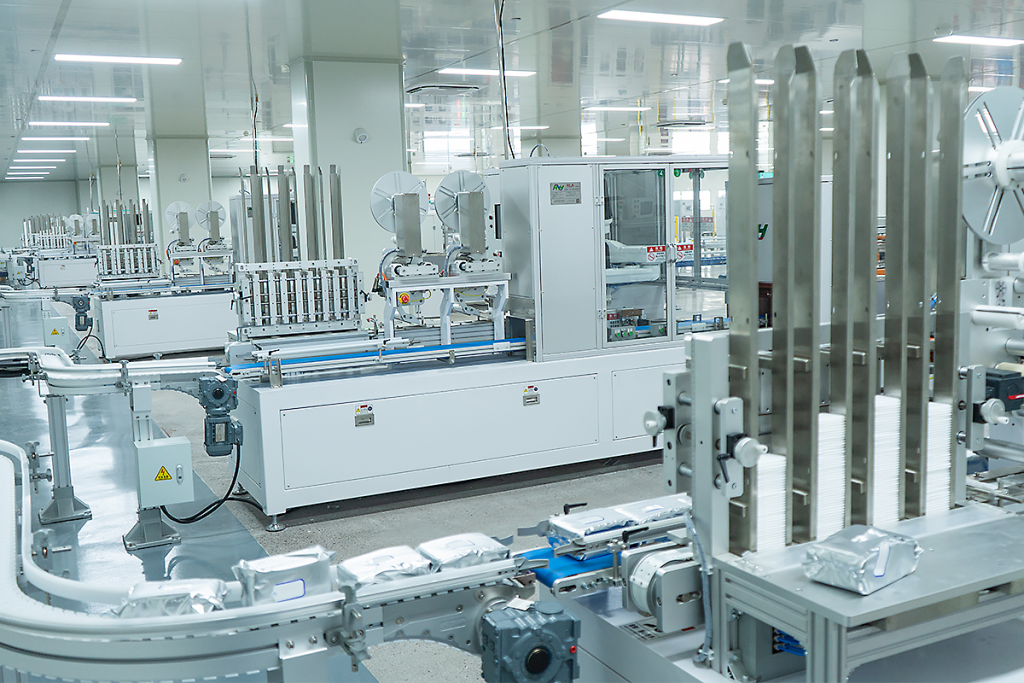
Often we settle for quick repairs because downtime is painful. But every temporary fix shifts the problem downstream. We patch sensors instead of redesigning the web path. We replace a servo motor without checking the control loop tuning. I’ve seen teams accept a 2% scrap rate as “normal” — and that hurts morale and margin. We can do better by being systematic, not reactive.
Looking ahead: new technology principles and practical choices
Okay, so what next? I believe the right path blends smarter controls with lower-friction mechanics. New concepts like predictive maintenance built on edge computing nodes can flag a bearing before it smashes a roll. Upgrading to higher-resolution HMI displays and better motion profiles for servo motors reduces misfeeds. The wet wipe production line benefits most when controls, sensors, and mechanics are tuned together — not piecemeal. In practice, start small. Add a proper tension controller to the unwind. Install a compact inline flow meter and link it to the PLC for real-time wet-end feedback. Use ultrasonic sealing where adhesive variability causes leaks. These are principles, not buzzwords: focus on feedback loops, not just bigger motors. — I’ve recommended this to teams and seen scrap drop by half.
What’s next — real-world impact?
Let me close with three metrics I use when evaluating upgrades. First, mean time between faults (MTBF) — does the change increase uptime? Second, yield per roll — does it reduce scrap and edge waste? Third, recovery time after a fault — how fast can operators bring the line back? If a solution shows clear wins in these areas, it’s worth the cost. We’ve covered why common fixes fail, where hidden pain points live, and how new controls and sensors can help. I’m not selling magic. I’m sharing what I’ve learned on floors where the hum of machines meets tight schedules and hard budgets. Trust your data, tune your control loops, and keep an eye on the wet-end chemistry. For practical equipment and support, check out ZLINK.