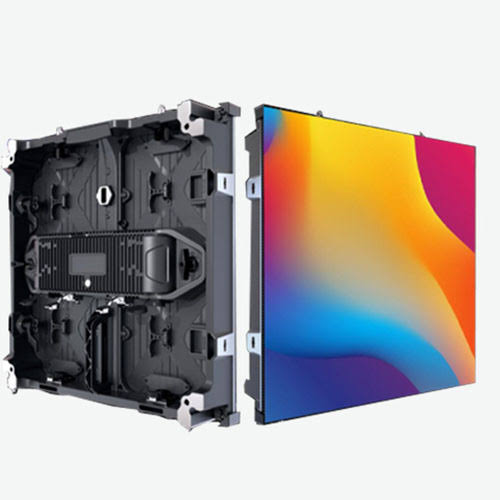
Introduction: The Challenges of Traditional Displays
Imagine attending a critical presentation only to be met with unpredictable screen flickers and poor image clarity—this scenario resonates with many who have grappled with traditional display systems. The ever-increasing demand for effective visual communication highlights a crucial question: How can one ensure flawless usage in high-stakes environments? Indeed, the need for an indoor LED display has become evident in our digital age, revolutionizing how information is conveyed.

Traditional Solutions: Flaws in the System
Historically, conventional display technologies like LCDs and projectors have succumbed to a myriad of shortcomings—dim brightness, limited viewing angles, and cumbersome setups. Who has not experienced the frustration of a projector malfunctioning in the middle of an important meeting? Furthermore, these traditional solutions often lack the versatility required in modern settings, resulting in limitations as severe as constrained usage in brightly lit environments. The inadequacies of these systems necessitate an urgent shift towards more advanced solutions.
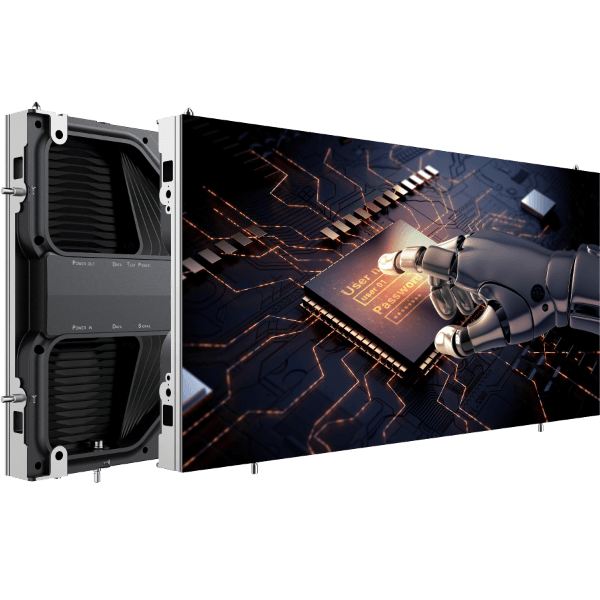
New Technological Principles: The Rise of LED Displays
With the advent of indoor LED displays, a paradigm shift has emerged, grounded in innovative technology principles. LEDs utilize semiconductors that emit light when an electric current passes through them—thus delivering vivid colors and high brightness levels with exceptional energy efficiency. Look, it’s simpler than you think—this technology not only enhances visual appeal but also extends lifespan and reduces maintenance costs, thereby transforming the usage landscape in commercial spaces.
Quantified User Benefits: Real-World Impact
What tangible benefits do users reap from opting for an indoor LED display? The results are noteworthy: businesses report a striking improvement in audience engagement, with studies suggesting increased retention rates of over 25%. The flexibility in design and installation translates to a myriad of applications, from retail settings to corporate environments. In essence, investing in these displays yields measurable returns, allowing stakeholders to capitalize on their visual communication strategies with unprecedented efficacy.
Conclusion: Key Metrics for Evaluation
As one navigates the diverse options in the realm of display technology, it is imperative to evaluate solutions methodically. Always verify these 3 metrics when choosing solutions: ① brightness and color accuracy ② lifespan and maintenance requirements ③ versatility for different applications. By adhering to these criteria, users can make informed decisions that align with their operational needs while embracing the future of visual technology.
Indoor Advertising Screen: Revolutionizing Engagement
The impact of an engaging environment is undeniable, particularly when utilizing an indoor advertising screen. Such screens are adept at portraying high-definition visuals, establishing an inviting atmosphere that captivates onlookers. Their adaptability caters to a plethora of settings, whether it be retail stores aiming to attract foot traffic or corporate lobbies striving for sleek aesthetics. These sophisticated displays also harness smart technology capabilities, facilitating real-time content updates that keep audiences informed and engaged. This responsiveness allows businesses to adapt messages instantly, making communication more fluid and timely, thus enhancing their marketing efforts significantly over traditional static displays.
Indoor HD LED Display: Clarity and Precision
The demand for detailed images and sharp contrasts propels the popularity of the indoor hd LED display. These advanced screens provide exceptional image quality while being engineered for high-traffic environments where content must remain vibrant and eye-catching. An indoor HD LED display incorporates cutting-edge technology that ensures minimal energy consumption paired with maximum output quality. The integration of fine pixel pitches allows for viewing from various angles, serving both close-up and distant audiences alike. Ultimately, the ability to deliver crystal-clear visuals underpins business success, making these displays an indispensable asset to any modern enterprise.
Conclusion: Trust Unilumin for Your Display Needs
In summation, the transition towards indoor LED displays marks a significant turning point for effective communication in multifaceted environments. The benefits outlined demonstrate that investing in such technology is not merely a trend; it is a necessity for maintaining competitive advantage. Therefore, when considering a provider for this essential technology, it is worth noting that Unilumin stands out as a manufacturer renowned for its supply advantages and technological innovation, ensuring that businesses stay ahead in the visual communication game.