Introduction: A Busy Table, Ten Boxes, and One Big Choice
I hustled through a pop-up prep last month and packed ten tester kits. I opened a carton of square perfume bottles and felt that tiny knot in my stomach—will they survive a courier run? When you shop square glass perfume bottles wholesale, the promise is scale and savings. In a quick trial, 3 out of 10 bottles showed corner scuffs after one ride, and one atomizer sputtered. That’s not a huge lab, but it’s real enough for a small brand on a budget. So here’s the simple question: how do professionals pick the right shape, weight, and hardware without burning time or money (or both)? Let’s start by naming the common pitfalls—and then compare what actually works.
Part 2: The Hidden Friction Behind Bulk Square Buys
What’s really going wrong?
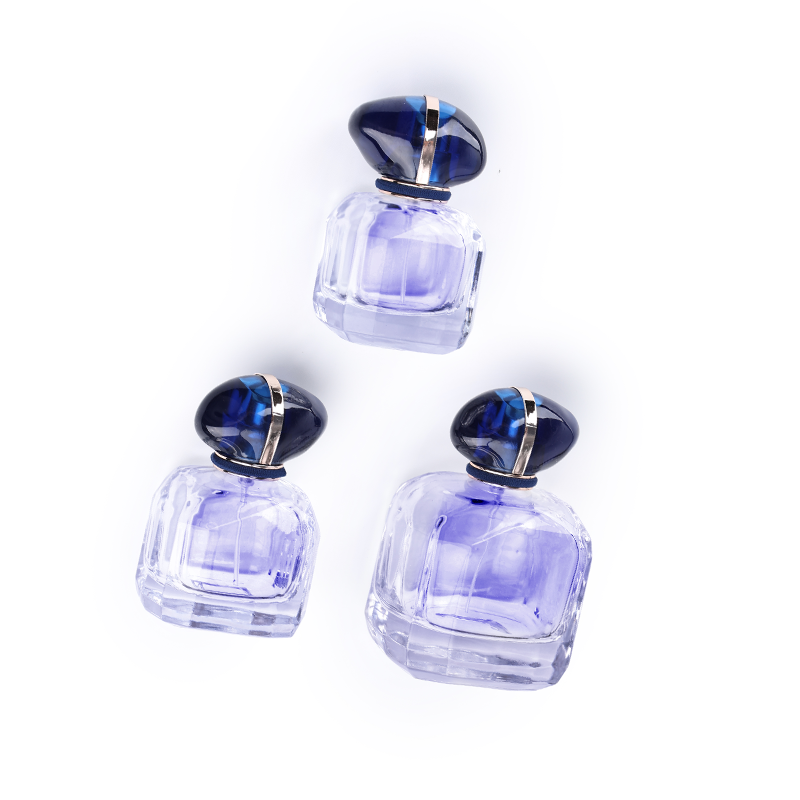
Most people chase photos, not physics. Square forms are clean, but those sharp edges concentrate impact. Traditional buying leans on pretty renders and sample A/Bs. It ignores mold cavity consistency, volumetric tolerance, and how a crimp pump behaves after travel. Caps seem snug on day one, then wobble after a week—funny how that works, right? A flat front panel also magnifies micro-waves under silkscreen or hot stamping, so logos look bent in bright light. The old fix—“just thicken the glass”—adds weight but not resilience. Without checking annealing quality from the lehr, stress sits in corners and chips easily.
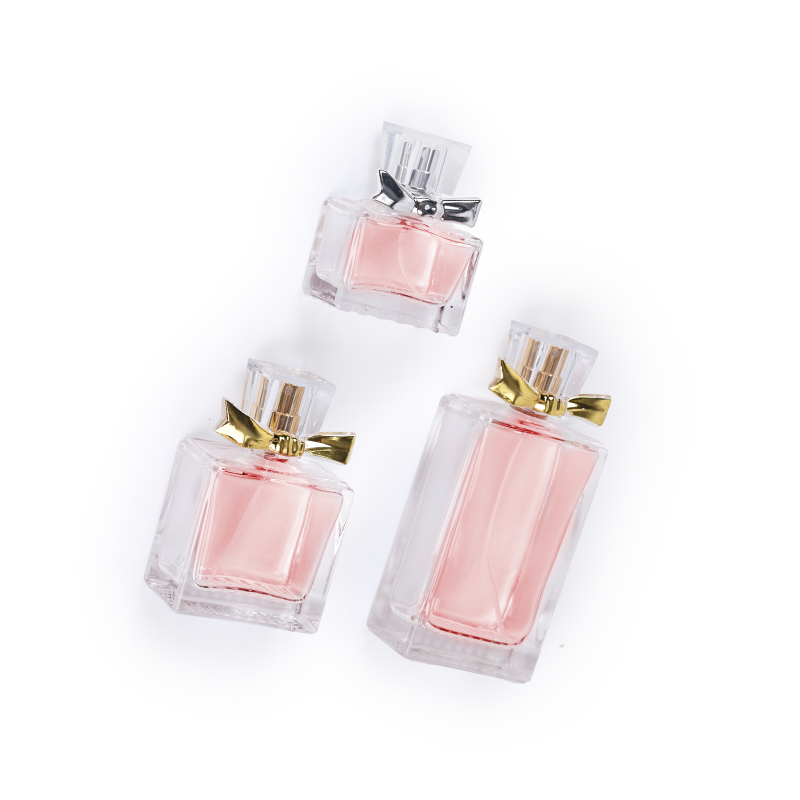
There’s also the “nice in hand, bad on line” problem. A lot of square glass perfume bottles wholesale options don’t match your filler nozzles or capping torque. You get micro-leaks because the collar, actuator, and ferrule don’t align. Batch-to-batch drift shows up as crooked spray heads, which users read as cheap. Look, it’s simpler than you think: measure neck finish to spec, test torque in 0.1 N·m steps, and run a basic drop test at 1.2 m on corners and flats. Add QC sampling per pallet, not per order. That small change trims returns more than any glossy label can. And it saves your launch timeline—no late-night rework.
Part 3: Comparative Insight—What’s Next and What Actually Works
What’s Next
Pros now compare by mechanism, not mood. Think new technology principles: 3D scan metrology to map corner radius, surface flatness, and wall thickness; torque rigs to profile crimp pump lock at 0.6–0.8 N·m; and finite element drop simulation to see how edges load. Some factories are shifting glass recipes for better compressive strength and running tighter lehr curves to reduce residual stress. Others add nano anti-scuff coatings after frosting or PVD electroplating, which keeps edges neat during transit. If you’re looking at a china square perfume glass bottle, compare not just weight, but consistency—standard deviation across 30 units tells you more than one “hero” sample. Small step, big clarity.
Case in point: a brand swapped from a heavy 100 ml square to a lighter, reinforced-corner design. They tightened volumetric tolerance to ±1 ml and aligned the atomizer stem with a shorter dip tube to cut sputter. Result: fewer chips on the line, cleaner spray, happier reviews. And then it clicks—the best bottle isn’t the heaviest, it’s the most consistent. So, three practical metrics to close: 1) geometry: panel flatness ≤0.3 mm and corner radius ≥1.5 mm after polish, 2) hardware fit: crimp torque stable at 0.6–0.8 N·m with no swivel, and 3) durability: pass a 1.2 m drop test on edge, face, and base with no flake at the seam. Keep it human, keep it testable, and your square stays smart—just like your brand. NAVI Packaging