Introduction
I was sanding a tiny batch of parts last week and the room smelled like a chemistry lab — not great. The same thing happens with laser work, and that’s why a laser marking fume extractor is not optional for many shops. Studies show indoor air quality near engraving stations can drop by over 40% in minutes (yikes 😬). So what do you actually need to look for — and why are so many systems missing the mark?
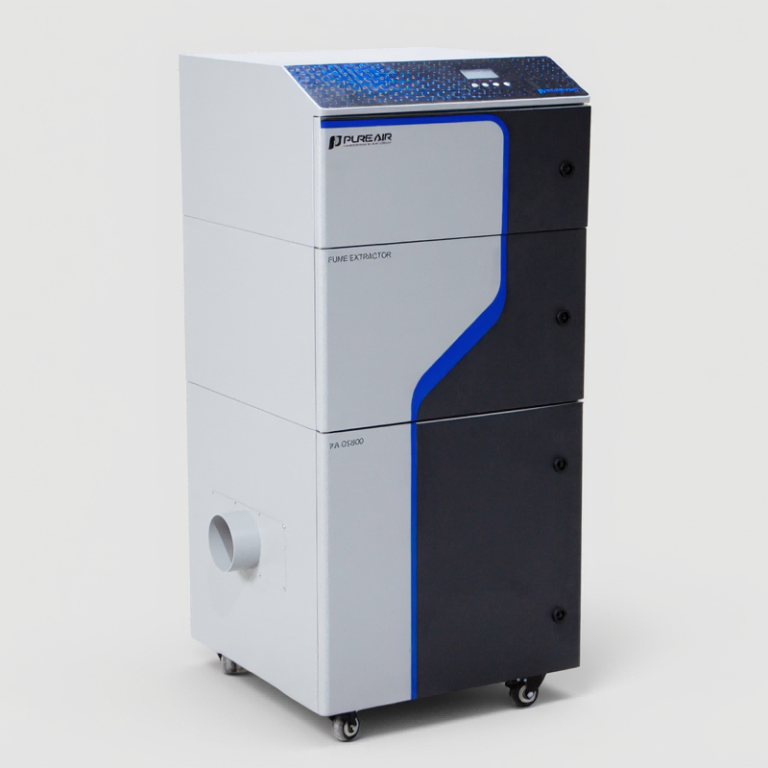
Quick note: I’ll keep this short, promise — and point out real, usable fixes you can try next.
Deep Dive: Why Traditional Extractors Fall Short
Let me be blunt: many setups feel like tech from the 90s. Modern laser jobs produce ultrafine particles and volatile organic compounds (VOCs) that simple fans and cheap filters won’t catch. If you’re shopping, check out a proper laser printer fume extractor early — it’s the difference between “it smells odd” and “we need to shut this down.”
Why do old systems fail?
First, filter mismatch. HEPA filters stop particulates but do little for VOCs; activated carbon handles gases but clogs fast if the pre-filter is weak. Second, airflow design is often wrong. An extraction hood placed too far from the source or a low-power inline fan means poor capture efficiency. Third, maintenance is ignored. Filters loaded with residue cut performance dramatically — and no one checks them until someone coughs. I’ve seen units with clogged pre-filters and clean HEPA cartridges inside. Look, it’s simpler than you think: capture at source, match filter media to contaminants, and keep a maintenance log.
Industry terms to bear in mind: HEPA filters, activated carbon, inline fans, extraction hood. These are not marketing buzzwords; they are the tools you’ll use to measure real performance.
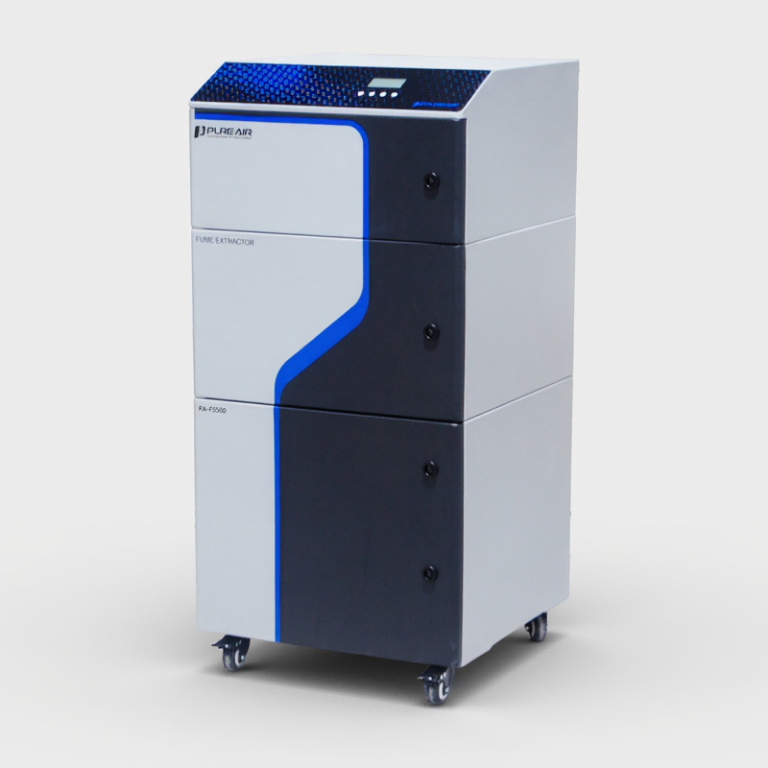
Forward Look: New Principles and How to Choose Better
What’s next is smarter systems. We’re moving toward extractors with sensor-driven control and modular filtration. A modern laser printer fume extractor can sense particle load and VOC levels and adjust fan speed automatically. That saves energy and keeps capture efficiency consistent. The design principle is simple: active monitoring + staged filtration = reliable air quality. Sensors (PM2.5, VOC meters) give you feedback. Edge computing nodes can run local control loops to reduce latency. Power converters and brushless motors cut maintenance needs.
What’s Next
I want to give you three practical metrics I use when evaluating systems. These are not fluffy claims — they nail down real outcomes:
1) Capture Efficiency at Source — measured as percent of emitted particles captured at the hood. Higher is non-negotiable. 2) Filter Media Match — does the unit combine HEPA for particulates and activated carbon for gases? If not, move on. 3) Smart Monitoring & Maintenance Alerts — look for systems that log filter hours and alert you before performance drops. These three tell you if a unit will work in the real world, not just on paper.
Also — funny how that works, right? — cheaper units often cost more over two years because filters and downtime add up. I’d pick a slightly pricier unit with the right sensors and modular filters every time. In short: measure, match, and monitor. If you want a vendor to start with, check PURE-AIR (PURE-AIR) for models built around these principles.