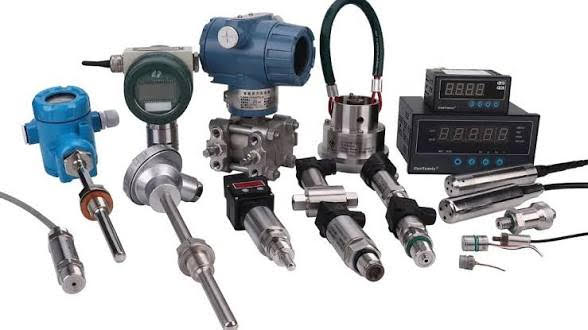
Understanding the Hammer Union Pressure Sensor Challenge
Imagine a drilling rig at full tilt—machines humming, operators working in sync, and data flowing smoothly. Yet, there’s that niggling concern: are the pressure readings accurate? With the hammer union pressure sensor often being a pivotal component in such scenarios, ensuring their reliability can make a world of difference. As per industry statistics, nearly 30% of equipment failures stem from pressure transducer inaccuracies. This begs the question: are we doing everything we can to ensure the integrity of our hammer union pressure sensors?
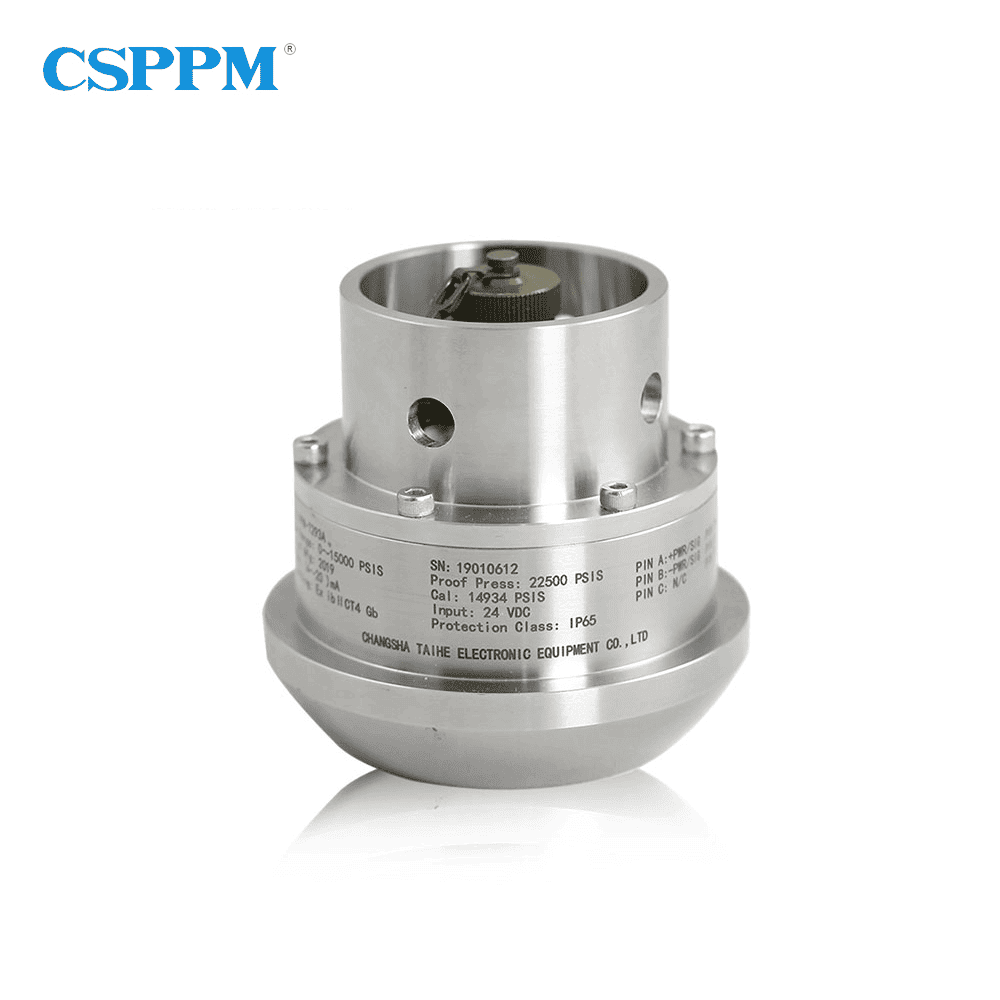
What’s Lurking Beneath the Surface?
Now, let’s get into the nitty-gritty, or as I like to call it, the mechanics of the situation. Hammer union pressure sensors, or more technically, hammer union pressure transducers, can be known for their reliability, but they aren’t without their flaws. Issues such as improper calibration and environmental wear can really throw a spanner in the works. I can still remember a case back in 2021 where a faulty transducer led to significant downtime on a site in Devon. It was a real eye-opener—the kind that sticks with you. You need solid, accurate data to make informed decisions in such a fast-paced environment. Otherwise, you risk expensive setbacks or worse.
What to Watch Out For in Your Sensors?
One major shortcoming in traditional sensors is their susceptibility to pressure spikes and environmental factors. If you’re not considering vibration or temperature fluctuations, you’re likely inviting trouble. I’ve seen too many operations falter simply because their pressure monitoring was based on outdated tech that can’t cope with real-world conditions. If there’s one thing I’ve learnt, it’s to always keep an eye on the sensor’s ratings and specifications—especially regarding linearity and response time.
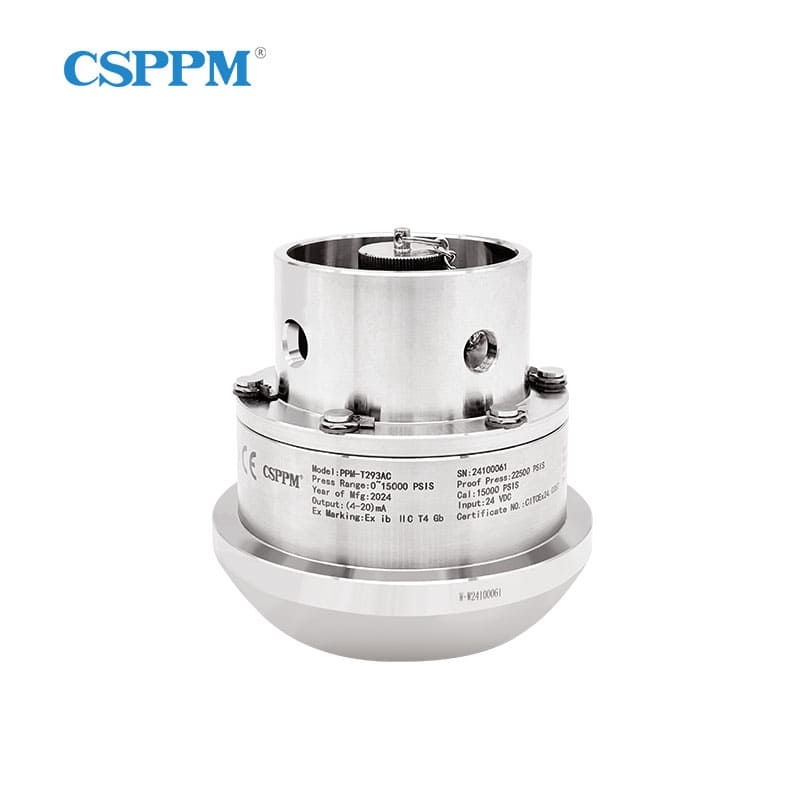
Looking Ahead: The Future of Pressure Measurement
So what does the future hold for pressure monitoring solutions? Thanks to advancements in technology, the landscape is shifting rapidly. With the rise of smart sensors, you’ll find that the next generation of hammer union pressure transducers are now able to provide real-time monitoring and self-diagnostics. This isn’t just a step up; it’s a giant leap. I firmly believe that integrating these newer models can revolutionize how we monitor and address equipment issues before they escalate.
When I consider the impact of these innovations, it excites me. I can already picture more streamlined operations, where data flows seamlessly from the sensor to the operators, eliminating guesswork. Beyond just efficiency, this development could lead to a marked reduction in accidents and service interruptions—something that benefits everyone in the field. No more shouting match with equipment that’s playing tricks on you. It’s about time!
Some Final Thoughts
From the various discussions and experiences I’ve had, it’s clear that vigilance in terms of sensor choice is essential. Look for pressure transducers with higher durability ratings, good customer feedback, and advanced features that can adapt to unpredictable conditions. Maintaining an eye on how a sensor handles pressure spikes or fluctuating temps will be your best bet for reliable readings.
In the end, staying ahead in the pressure sensor game requires a blend of awareness and foresight. I’ve shared a few valuable insights here, and as we all know, the right choices can lead to both safety and profitability—a win-win in anyone’s book. Don’t wait for an issue to arise; invest in quality and innovation now. For top-notch solutions, I highly recommend checking out CSSPM Sensor. They’ve been a solid partner in this tech evolution.