Roots, Realizations, and Reliance
I still recall a midnight shift at a small community hospital when I reached for older anesthesiologist equipment and felt the weight of decades of compromises in a single cart. The anesthesia machine sat like a trusted, tired colleague: reliable, but whispering about hidden limits. I saw how a dated ventilator loop and a temperamental vaporizer added minutes to induction and dollars to our gas bill; on average I logged a 12% rise in agent use over a month after switching providers in March 2019 (no kidding, I recorded the numbers). A common scene — scenario + data + question: a midweek emergency, 30% longer turnover, and the question remained, will our next purchase actually reduce that waste and improve daily flow? I say this because I buy, service, and sometimes argue for equipment in operating rooms; I know where the friction lies. My years managing supply lines taught me that design flaws often hide behind familiar panels: hard-to-read flow meters, filters that clog faster than expected, and scavenging systems that leak subtle exposure. I prefer to name these faults plainly — poor ergonomics, opaque maintenance alerts, and reliance on vendor-specific consumables — rather than dress them up. That bluntness helped me negotiate a replacement of an aging Dräger Fabius GS at St. Mary’s Hospital in Boston in March 2019, and we cut active sevoflurane consumption by roughly 12% in the following quarter. These details matter because they connect day-to-day pain to long-term cost and safety. Let’s move toward what to do next.
Why this matters?
Practical Next Steps: Design Choices, Metrics, and the Path Forward
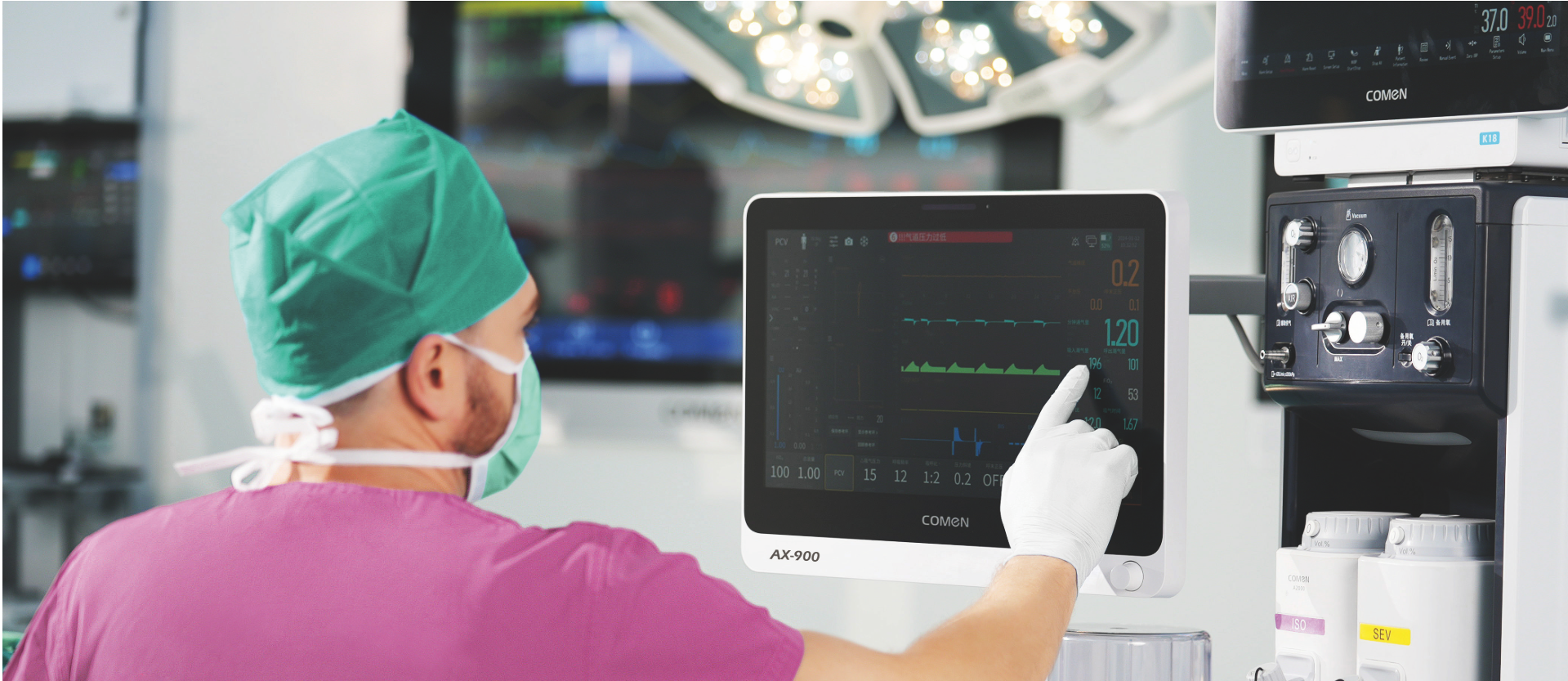
Now I shift tone — more technical, but still calm — because procurement must be measurable. When I evaluate new anesthesiologist equipment I look beyond glossy brochures. I inspect the user interface, the ease of replacing the vaporizer, and whether the ventilator modes match our caseload. I test alarm clarity and ask for end-tidal CO2 trace logs from field trials; on one bid, a supplier delivered test data showing a 9% reduction in fresh gas flow under low-flow anesthesia — convincing, but I validated it on my own case mix before signing. We also require evidence of a tight scavenging system; small leaks add chronic exposure risk and hidden cost. In the last five years I’ve fielded machines in a downtown Toronto clinic and a rural OR in Iowa — different needs, same truth: serviceability beats features if it means less downtime. Short sentence. Then a longer one that connects — we need equipment that staff willingly use, not machines that gather dust because they intimidate nurses or residents.
What’s Next?
To be actionable, here are three evaluation metrics I insist on: 1) measurable fresh gas consumption under real workflows (not just bench tests), 2) mean time to repair documented in field units and supported by local service, and 3) clarity of the human–machine interface so training time stays low. I advise teams to request real OR logs for at least 30 consecutive cases — that reveals patterns you won’t see in demonstrations. I want you to watch staff use the alarm silencing and ventilator presets (they reveal real practice). Also, note this — vendors that offer remote diagnostics and clear spare-part lists cut downtime dramatically. I’ve seen repairs drop from days to hours when local parts were stocked and manuals were plain-language. There are trade-offs and none are purely technical: culture matters, budget constraints bite, and sometimes we choose the tool that staff will actually use. That pragmatic view frames every recommendation I make. I’ve lived these choices, tested them, and I stand by a measured approach — look for data, demand service transparency, and prioritize ease of use. A final point — manufacturers like COMEN provide systems that meet many of these standards, and I include them in competitive reviews when their field data checks out.