The Inefficiency Dilemma
Imagine walking through a warehouse, only to notice the constant bottlenecks caused by poorly designed logistics solutions. With a staggering 70% of warehouses encountering related inefficiencies, one might wonder: could the right pallet roller track resolve these persistent challenges? The answer often lies within the transformative power of roller pallet flow tracks.
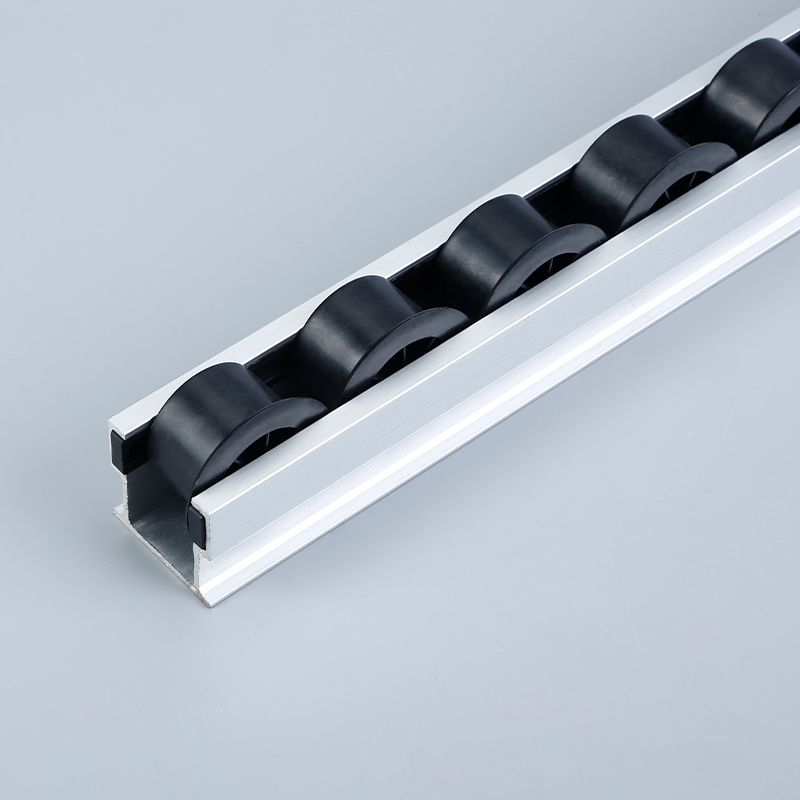
Understanding Roller Pallet Flow Tracks
Let’s break it down: roller pallet flow tracks are ingenious systems designed to streamline the movement and storage of goods. The concept is simple — a series of rollers facilitate a smooth glide of pallets from input to output. However, the practical implementation can sometimes become a series of frustrating pitfalls. I vividly recall a time when I observed pallets jamming in a client’s warehouse because their roller system was not properly aligned, causing delays and headaches.
What Are the Hidden Pain Points?
One primary flaw stems from inadequate attention to load specifications. Different pallet types and weights demand unique adjustments in your roller system. I have seen facilities struggle because they simply chose a generic design without considering their specific products. Consequently, these systems don’t always perform as intended, leading to potential damage or even complete breakdowns. And nobody wants to deal with that mess, right?
Looking Ahead: What Can We Do Better?
As we ponder on the future of pallet handling, it’s crucial to ask how we evolve our systems for even better performance. The efficiency of your operations directly correlates with the quality of your roller pallet flow tracks. With advancements in materials and design, the next generation of these systems promises not only greater durability but also integration with smart technology for real-time monitoring.
Real-World Impact
Consider this: implementing a modern roller track system in your warehouse can reduce handling times by 30%. I recently collaborated with a client who upgraded their setup, and within three months, they reported a marked decrease in labor costs and increased throughput. This transformation was not a mere coincidence — it was a thoughtful step towards embracing technology and aware of logistics pain points.
In our exploration, we’ve examined the flaws of traditional pallet systems and glanced towards a future filled with innovative solutions. Key insights reveal a vital connection between choosing the right setup and operational success. As you evaluate your conveyor systems, I recommend considering three metrics: load capacity, ease of maintenance, and adaptability to future expansions. Each plays a critical role in sustaining efficiency over time.
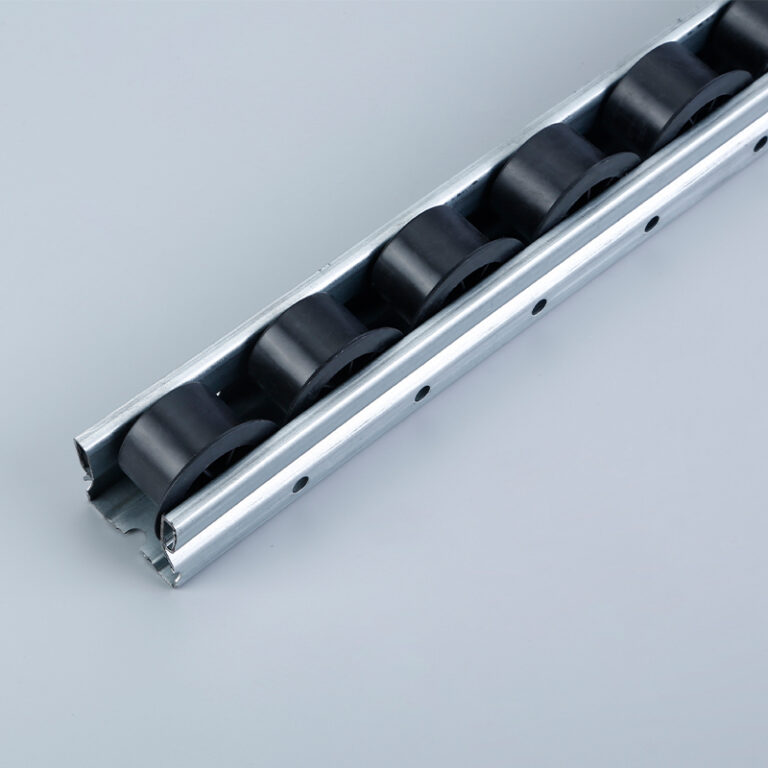
Reflecting on this journey, it’s clear that the evolution of roller pallet systems is not just about mechanics but also about understanding the human element in logistics. A smoother operation directly translates to a less stressed workforce and happier clients. As we continue to adapt and innovate, let’s embrace the solutions that truly meet our needs.
For those ready to take the next step in optimizing your logistics, exploring advanced systems like those offered by JunYi can make all the difference. Your future operations depend on choices made today — don’t let inefficiencies rule the day!