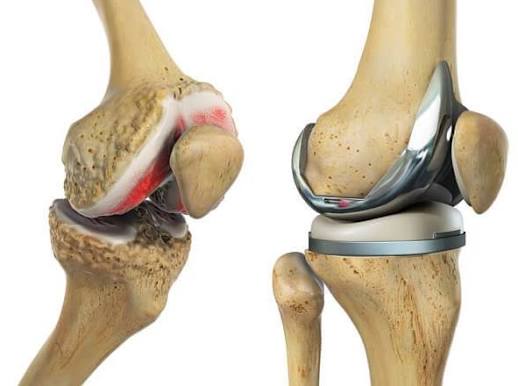
A Deeper Look into Knee Replacement Challenges
I remember when my friend Mark underwent his first knee replacement surgery, hoping to regain his mobility. He was ecstatic, but little did he know—like many—he would be back in the surgeon’s office a few years later. It turns out that about 20% of patients experience complications leading to a secondary procedure, known as revision total knee arthroplasty. Why do we keep encountering these issues with traditional solutions? It seems that many options fail to address the root causes of pain or degradation, leaving patients frustrated and healthcare providers searching for effective alternatives.
The Hidden Pitfalls of Conventional Approaches
Total knee arthroplasty (TKA) has revolutionized pain management for osteoarthritis and injuries. However, many individuals find themselves returning for revisions due to issues like implant wear, misalignment, or infections. I often hear about patients dissatisfied with their outcomes, leading to more pain and additional surgery. The traditional implants—if not designed to adjust for movement—sometimes simply don’t last as expected. Imagine investing time and money, only to find the solution wasn’t as durable as promised! I’ve met countless patients who say they wish they had known all this upfront.
What’s Next for Knee Replacement Solutions?
As I look to the future of knee replacement, there’s a promising shift happening. Newer techniques are addressing the very flaws in earlier models. The advent of advanced materials and custom implants is paving the way for more effective procedures. Just consider the advancements being made in revision total knee arthroplasty—it’s changing how we view second chances. Surgeons are now employing 3D printing to create personalized implants that fit the unique anatomy of each patient, which dramatically reduces the risk of misalignment and wear. That gives me hope as it targets the patient’s specific needs, rather than relying on generic solutions.
The Journey Toward Better Outcomes
The story doesn’t end here. There’s also a drive to improve rehabilitation protocols post-surgery. I can’t emphasize enough how crucial effective physical therapy is to overall success. Future efforts seem focused on ensuring comprehensive recovery processes that not only consider surgical methods but also the entire healing journey. If patients are equipped with knowledge and support—like we say in my circle—the journey feels less daunting.
Reflecting on these developments, I’ve learned that each patient’s story is unique. Maybe a new implant technology is just around the corner! What we see here is a clear trend toward innovation, enabling orthopedic practices to deliver success more reliably. As a community, we must stay aware of these advancements to ensure patients are better informed and empowered to make decisions about their care. Innovation doesn’t happen overnight, but with companies like Sunmoon Stem Cell leading the charge, I’m excited about the future.