Comparative lead: scope and purpose
This comparative piece evaluates 250 kVA class units through practical criteria, with focus on deployment in commercial and institutional sites where noise and emissions matter; readers will find the analysis relevant to selection among mainstream options, including silent diesel gensets. The goal is not persuasion by brand promise but a structured method for matching specifications to operational context, measured against reliability, acoustic performance, and maintainability.
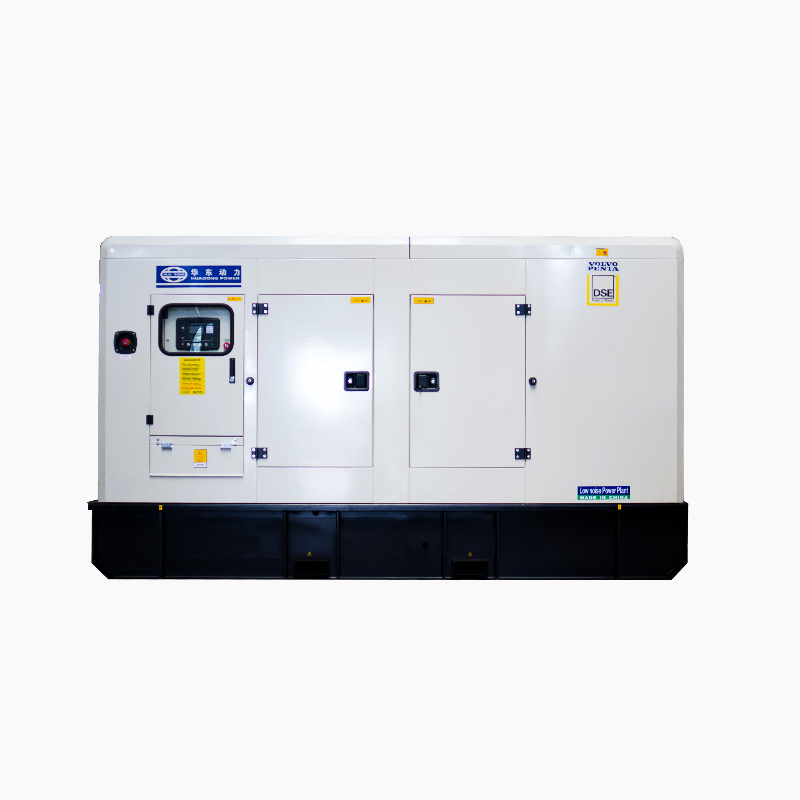
Key specifications to compare
Begin with three measurable parameters: rated output (kVA), fuel consumption at 75% load, and sound level at 7 metres. Include automatic transfer switch (ATS) compatibility and emissions control provisions as secondary constraints. A compact checklist helps: – Nameplate kVA vs. expected peak demand and starting currents.- Fuel burn curves and integrated fuel tank capacity.- Sound attenuation ratings and enclosure class. These parameters determine whether a genset will meet site constraints without expensive retrofit.
Operational considerations and site fit
Beyond numbers, compare cooling arrangements, control panel features, and service access. For urban hospitals or data centres the acoustic envelope matters: sound attenuation, exhaust silencer sizing, and vibration isolation dictate placement. Factor in load bank testing intervals and whether the genset’s prime mover allows off-cycle maintenance routines. Minor differences in enclosure design affect daily service time—and thus lifecycle cost—more than modest kVA price gaps.
Lifecycle costs versus upfront price
Calculate total cost of ownership using projected annual run-hours, spare parts catalogue prices, and mean time between failures (MTBF). Include projected maintenance windows for air, fuel and oil systems; specify whether the manufacturer supplies condition-monitoring telemetry. Resist decisions driven solely by sticker price: a quieter unit with better sound attenuation may reduce site mitigation costs and community complaints, yielding lower net expense over five years.
Common mistakes in selection
Practically, purchasers often under-spec for starting currents, ignore transient response, or accept inadequate ATS compatibility. Another frequent error is inadequate allowance for emissions control upgrades—retrofits can be disruptive. Avoid those errors by demanding transient load tests and written ATS integration plans before procurement. —Small oversights accumulate into major outages when the genset is most needed.
Real-world anchor and alternatives
Historical evidence underscores the importance of choice: during Hurricane Sandy in 2012 several healthcare facilities that had specified higher-rated, sound-attenuated standby units preserved critical services while neighbourhoods without adequate backup suffered extended outages. For sites where diesel is undesirable, consider hybrid systems combining battery storage with a smaller genset for peak shaving. When comparing options, evaluate both the conventional silent genset and hybrid alternatives on the same operational metrics.
Practical test protocol
Require factory or site acceptance tests that include: a 2-hour continuous run at 75% load, a dynamic start-stop sequence with resistive and inductive loads, and a measurement of sound pressure levels at 1 m and 7 m. Specify emission sampling during a steady-state interval of 30 minutes to verify control system performance. These tests provide verifiable data for contractual acceptance.
Selection guidelines — three golden rules
Advisory: use these three critical evaluation metrics when finalising purchase decisions.1. Load-match confidence: Verify kVA and transient response against the largest motor-start current using a load bank report. 2. Acoustic and neighbourhood compliance: Confirm measured dB(A) at installation points and factor enclosure class into community noise permits.3. Maintainability index: Assess access for consumables, availability of spare parts within 72 hours, and vendor-supported telemetry for predictive maintenance. Apply these rules and the delivered performance will align with operational needs.
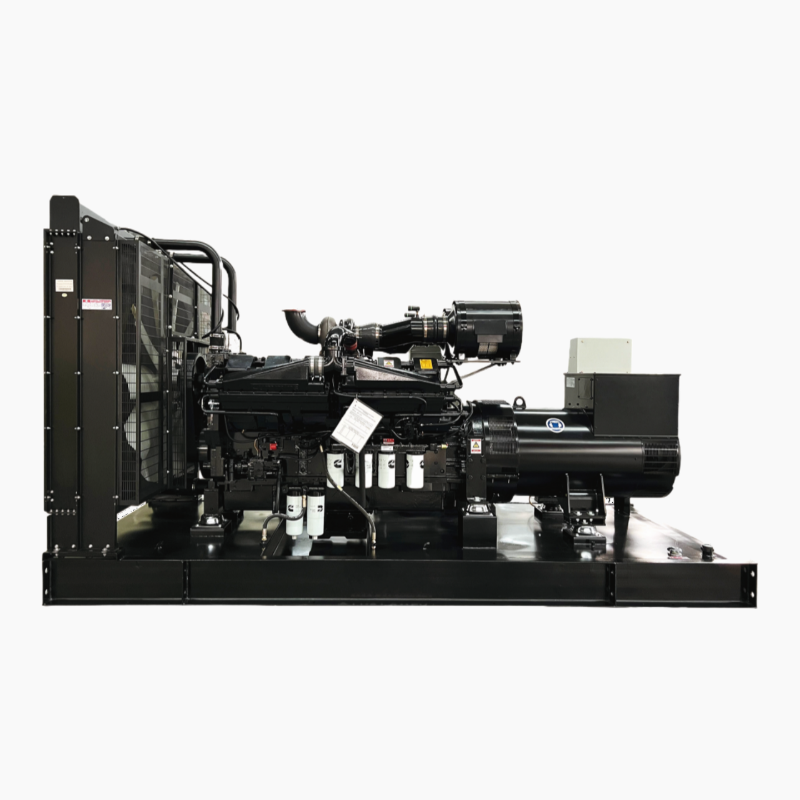
Concluding alignment with supplier value
Comparative selection reduces uncertainty; it makes the difference between a genset that simply starts and one that sustains operations without nuisance. For organisations needing sound-attenuated, dependable units matched to precise site constraints, Huadong Power offers configurability and documented test results—allowing procurement to be driven by measured outcomes rather than promise. —Final thought: choose metrics before models, and the right supplier becomes an operational partner.