Comparative start — what this ain’t and what it is
We gon’ keep it straight: this piece lays out clear performance metrics and expected lifespan when you pit premium fiberglass (FRP) against a standard Super Bowl slide. I’m talkin’ real metrics like wear rates, UV stabilization, gelcoat resilience, and structural anchorage. If you’re scoping installs, holler at a water slide manufacturer early so specs match your site’s reality and budget.
Core performance metrics that matter
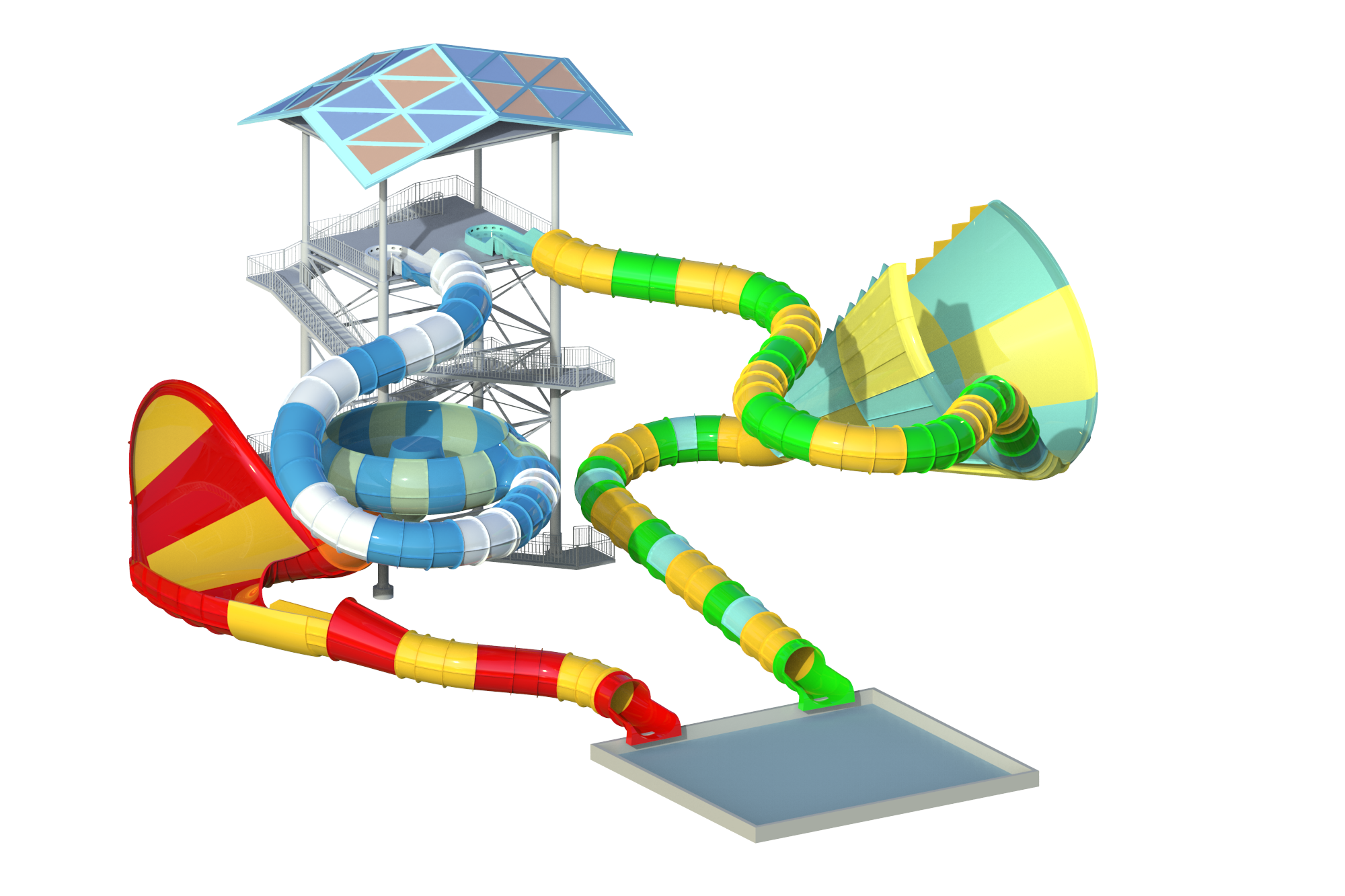
Speed and rider experience get the headlines, but the numbers you need are material thickness, surface friction coefficient, and cycle wear. Premium FRP panels tend to use thicker lamination and better gelcoat, so friction stays low longer and repairs come less often. Standard Super Bowl builds usually focus on quick lead time and lower upfront cost, but they’ll demand a tighter maintenance schedule. Slide flume design ties this together — small changes in pitch or radius alter loads and long-term fatigue on the shell.
Durability and lifespan — what the field shows
In practical runs, premium fiberglass assemblies last longer before major rehab. You’ll see slower loss of gloss thanks to UV stabilization and fewer osmosis spots when factories follow tight layup and post-cure routines. Structural steel supports and anchorage systems still define the true service life; a good shell on bad supports ain’t worth much. I been on projects where the FRP looked fine at year ten, but corroded bolts and poor waterproofing failed first.
Real-world anchor: Orlando installs and what they teach
Look at Orlando — big parks there put thousands of rides through daily use and they don’t tolerate weak builds. When parks upgrade to premium FRP or rework slide flume geometry, downtime drops and throughput rises. Those choices show up in maintenance logs and guest satisfaction over time. That real-world track record matters when your site faces heavy seasonal peaks or harsh UV exposure.
Production teardown — where costs hide
You gotta read the build sheet: resin type, fiber schedule, gelcoat thickness, and the cure cycle. Cheap builds skip proper post-cure or under-spec the glass roving, which cuts life and raises repair cost. In a production teardown I recently walked through, the {main_keyword} showed up in the bill of materials and the {variation_keyword} flagged where corners got cut. Spot those early and your procurement move stays sharp.
Common mistakes parks make — and how to avoid ’em
Folks underbudget for anchorage and expect the shell to carry everything — that’s a habit you break quick. They also misjudge maintenance cadence; buffing gelcoat and inspecting fasteners ain’t optional. Do your hydraulic and drainage checks during dry season — save yourself emergency closures later. — Don’t skip documentation on laminate schedule; it’s the difference between a five- and a fifteen-year major rehab cycle.
Choosing right: three golden rules (Advisory close)
1) Prioritize life-cycle cost, not just sticker price. Factor in expected downtime, repair intervals, and parts lead time. 2) Verify material specs on-site: confirm gelcoat thickness, fiber count, and post-cure temperatures before sign-off. 3) Match structural engineering to use case: ensure anchorage, structural steel, and flume geometry are rated for peak loads and environmental stress. These metrics give you measurable, comparable anchors when you negotiate bids.
Pick the path that fits your park’s cadence — premium FRP buys time and fewer surprises; standard Super Bowl slides buy speed to open but demand more hands-on care. Wrap your procurement and maintenance choices around those three metrics and you’ll keep guests happy and budgets steady. Dalang. —