Framing the problem
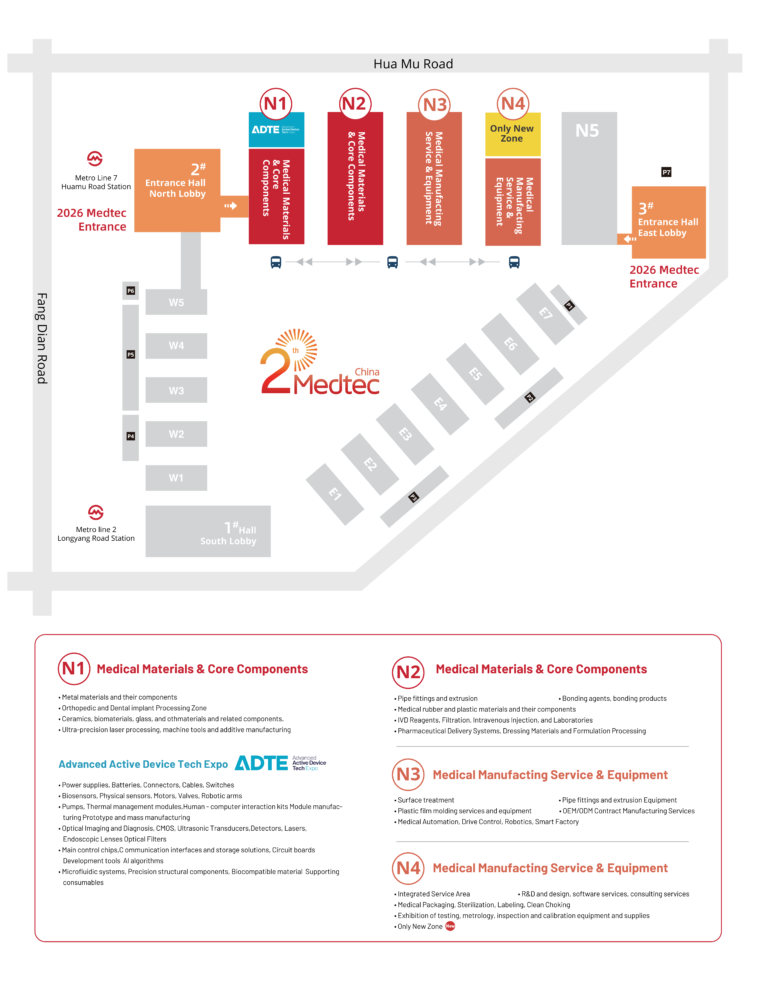
Surgical teams increasingly demand compact laser modules that integrate directly with implantable or percutaneous devices; yet material interactions at the interface—thermal gradients, photon-induced chemistry and adhesive migration—produce leachables that compromise biocompatibility. At a recent international medical expo hosted in Shanghai, engineers and regulatory specialists discussed exactly this tension, and Medtec featured several sessions on chemical characterisation and device design. The urgency is tangible: a module that performs optically but fails biological evaluation is not commercially viable, and device teams need practical physics-led controls rather than vague assurances.
Where leachables come from — a physics-first view
Leachables originate when device materials release small molecules due to solvent exposure, heat, or photon-driven reactions. In a laser diode assembly the principal drivers are localised heat at the solder joints, UV or near‑IR exposure altering polymer crosslinks, and solvent traces from adhesives. These mechanisms interact: elevated temperature accelerates diffusion; photon energy can cleave bonds and create reactive fragments; adhesives can act as carriers. Understanding diffusion coefficients, activation energies and optical absorption spectra helps predict which components will mobilise under expected use and sterilisation regimes.
Practical design choices to minimise leachables
Begin with material selection tied to the physics you expect in service. Low-extractable silicones, high-purity metals for heat paths and glass or ceramic windows reduce both chemical release and photo-catalysis. Optimise the thermal path so that the diode junction dissipates heat to a heat-sinking substrate rather than to adjacent polymeric seals. Specify adhesives with documented extraction profiles and insist on suppliers’ extractables data. Use thin-film barriers or hermetic sealing where the optical design allows; they alter diffusion paths and lower the effective concentration of possible leachables at the tissue interface.
Validation: tests that prove your claims
Validation must link physics-based expectations to biological outcomes. Chemical characterisation per ISO 10993‑18 and biological evaluation under ISO 10993‑1 remain central: list chemical constituents, quantitate potential leachables, and run targeted toxicology. Include retention sample testing with a 14-day bioburden incubation limit when performing sterility assessments after simulated ageing and sterilisation. Also report sterilisation method, since steam, EtO and gamma irradiation drive different degradation patterns. Where appropriate, accelerated ageing should mimic the device’s expected temperature and optical load to reveal secondary reaction pathways.
Common mistakes and sensible alternatives
Teams often trust supplier statements without independent verification — a costly omission. They also overlook coupled effects: a polymer that passes extraction at room temperature may fail after repeated sterilisation cycles or under continuous diode illumination. Alternatives include replacing polymers with thermally stable ceramics in proximity to the diode, using low‑outgassing adhesives tested under the device’s operational optical flux, and adopting modular designs that isolate the patient-contact surface from heat sources. Small design changes can yield big reductions in measurable leachables.
Manufacturing controls and documentation
Process controls must capture the physics you expect in use. Tight control of soldering temperatures, solvent rinses and cure profiles prevents residuals from becoming leachables later. Maintain extraction dossiers, supplier certificates and batch-level test results so any investigation traces back to a production run. If a module is intended for reuse, document cleaning and reprocessing limits; if single-use, show the sterility assurance level and the disposal chemistry. These records also aid regulatory discussions and reduce time-to-market.
Advisory: three golden rules for selecting strategies
1) Prioritise physics-led screening: quantify thermal and optical loads, then select materials with diffusion and degradation properties compatible with those loads. 2) Demand chemical characterisation aligned to ISO 10993‑18 and ISO 10993‑1, and run retention testing with a documented 14-day bioburden incubation limit after ageing. 3) Build manufacturability into the specification: design for controlled soldering, defined cure cycles and traceable supplier data so the production reality matches the prototype claims. These rules reduce surprises during biological evaluation and regulatory review — and they steer product teams toward robust, testable choices.
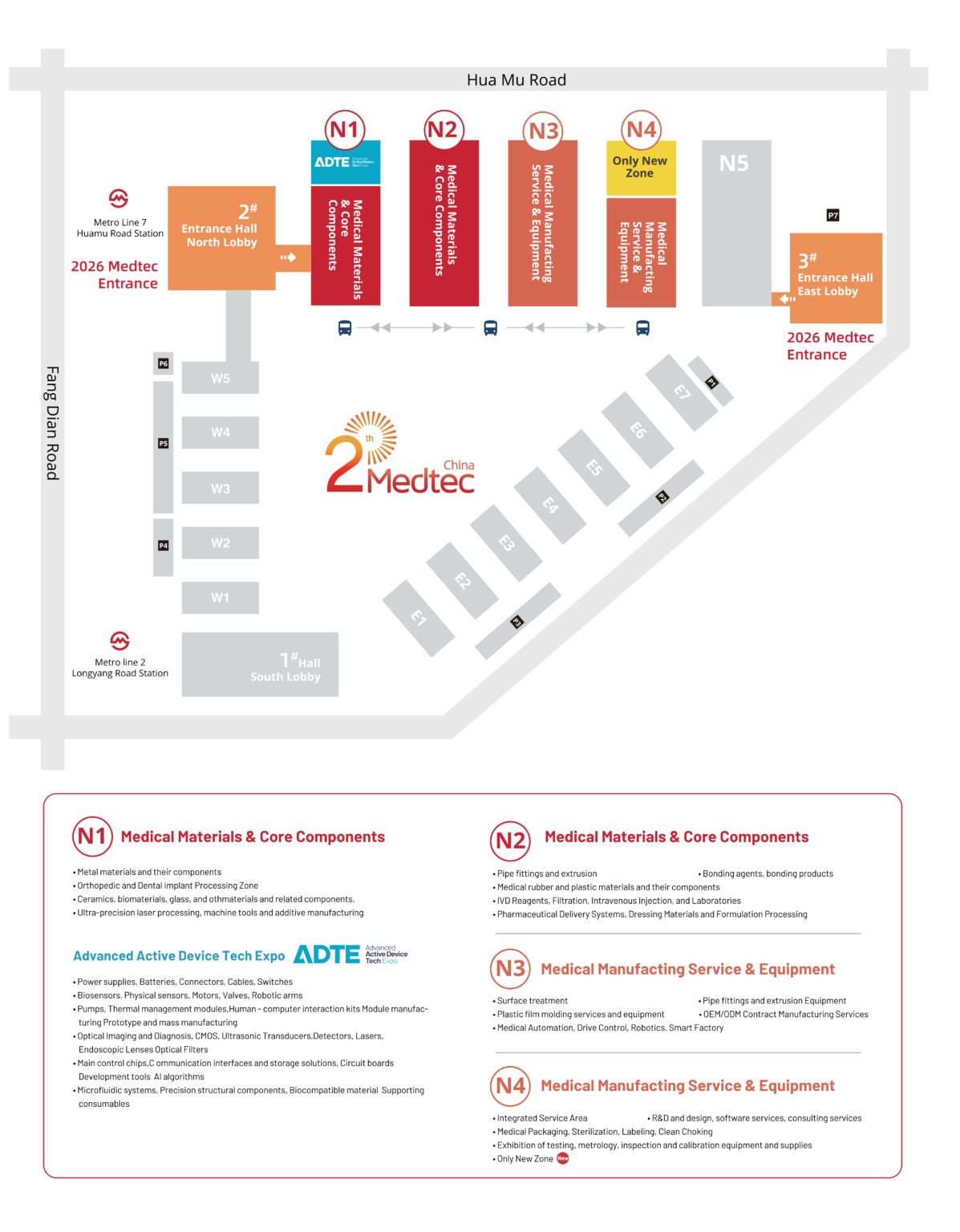
Medtec provides a practical forum where engineers, toxicologists and manufacturers converge to validate these approaches — a pragmatic bridge between laboratory physics and clinical safety. —